Cheap Granite Countertops Denver: Stylish & Budget-Friendly
March 29, 2024
Choosing Outdoor Countertop Materials for Custom Design
April 5, 2024
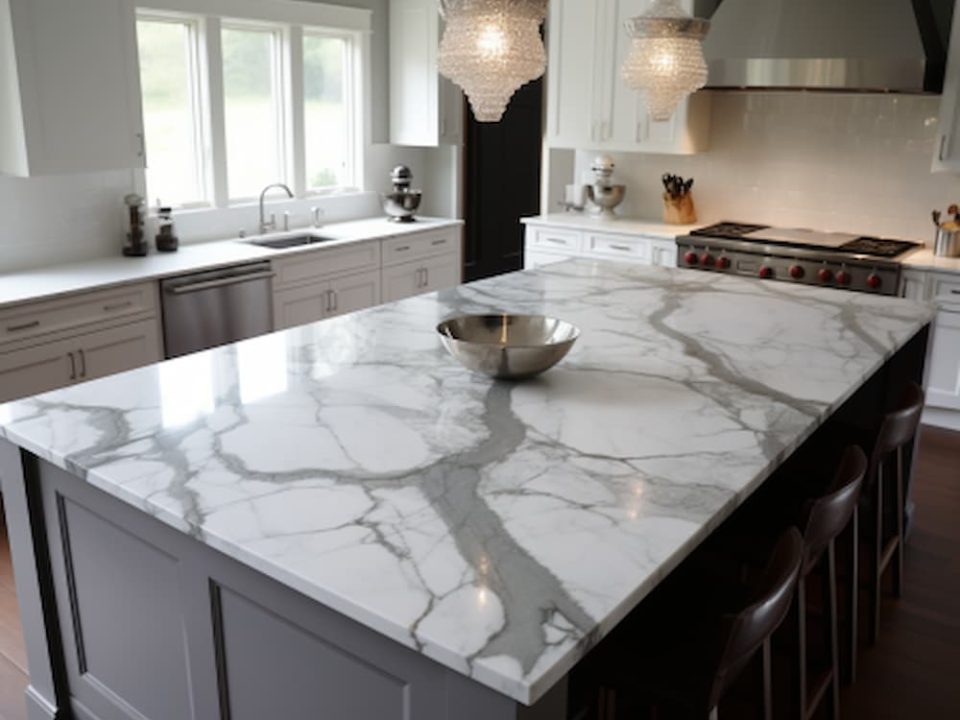
Marble countertops are beautiful and unique. They give kitchens a timeless look. However, caring for them is crucial for their long-lasting beauty. Marble countertop maintenance involves daily cleaning, preventive measures, and handling issues like stains and etching. This article provides simple tips on how to clean, protect, and restore marble countertops. It also covers living with marble in the kitchen for a year and when to seek professional help for restoration. Following these steps ensures that marble surfaces remain a stunning feature of your home for years to come.
Getting to Know Your Marble Countertop
Marble countertops come in different types. Some of the most common are Calacatta, Carrara, and Statuario. Each type has a unique look and pattern, giving countertops their distinct style. Marble is made from natural stone, which is porous and soft. This means it can absorb liquids and get scratched easily. The stone is sensitive to acids like lemon juice or vinegar, which can leave marks called etching. When choosing a marble countertop, understanding these properties is key to good care. Different types may need specific treatments, so check which one you have before cleaning or polishing it.
Daily Marble Countertop Maintenance Routine
To keep marble countertops clean, start by wiping up any spills right away. Marble absorbs liquids quickly, so this prevents stains. Use a gentle, pH-neutral cleaner designed for stone surfaces. Avoid strong cleaners like vinegar, bleach, or ammonia. They can harm the marble’s surface. Instead, dampen a soft cloth with warm water and mild soap. Wipe down the countertop to remove dust and dirt. Dry it off with another soft cloth. Never use rough pads or abrasive tools, as these can scratch the surface. Make this part of your daily kitchen cleaning to keep marble countertops shiny and stain-free.
Weekly and Monthly Marble Countertop Care
Deep cleaning helps to remove grime that builds up over time. Once a week, wipe down your marble countertop using a soft cloth and a gentle, pH-neutral cleaner. Apply the cleaner in a circular motion, then rinse with warm water and dry with a clean cloth. To restore shine, use a microfiber cloth and polish the countertop. This simple task will help it stay bright.
Once a month, check for stains or dull spots. If you find any, clean the area carefully. For stains, try using a poultice paste made of baking soda and water. Apply it to the stain, cover it with plastic wrap, and let it sit overnight. In the morning, wipe off the paste and rinse the area. For dull spots, polish them using a soft cloth or a polishing powder designed for marble. By taking a bit of time each month, you can catch problems early and keep your countertop looking new.
Preventive Measures for Marble Countertops
Sealing your marble countertop is a key step in protecting it. A good sealant stops liquids from seeping in and staining the stone. To check if your countertop needs resealing, sprinkle a few drops of water on it. If the water is absorbed, it’s time to reseal. You can find stone sealers at most hardware stores. To apply, follow the instructions on the package. It usually involves spreading the sealer with a soft cloth, letting it sit for a few minutes, and wiping off any excess.
In addition to sealing, there are other ways to prevent stains and scratches. Always use coasters under glasses and mugs. Acidic drinks like wine or juice can etch marble if they spill. Place trivets under hot pots and pans to prevent heat marks. Use a cutting board instead of chopping directly on the marble. This will keep the surface from getting scratched.
If you have kids, teach them to be gentle with the countertop. Avoid leaning heavily on it or placing heavy objects that might chip the edges. By taking these preventive measures, your countertop will stay protected and require less maintenance in the long run.
Year with Marble Countertops in the Kitchen
Living with marble countertops for a year offers insights into their daily care. At first, cleaning up spills right away may seem inconvenient. But it soon becomes a habit, and the countertop remains stain-free. Using coasters and trivets helps prevent marks and stains, especially in a busy kitchen. It’s also essential to cut food on a board rather than directly on the countertop to avoid scratches.
Despite careful use, minor stains and etching still occur over time. They give the countertop some character but can be restored with polishing. A year with marble countertops shows that regular cleaning and preventive measures make a difference. Adapting your kitchen habits keeps the marble surface looking good, even with everyday use.
Troubleshooting Common Marble Countertop Issues
Some common problems with marble countertops include stains, etching, and scratches. Oil-based stains can come from greasy food or makeup. To clean these, apply a paste of baking soda and water or cornstarch and rubbing alcohol. Leave it overnight, then wipe away and rinse with water. For organic stains like coffee or fruit, mix hydrogen peroxide with a few drops of ammonia. Apply it to the stain and cover it with plastic wrap. Let it sit for several hours, then rinse and dry.
Etching happens when acids like vinegar or lemon juice leave dull spots on the marble. To repair this, use a polishing powder made for marble. Sprinkle it over the etch mark and buff gently with a soft cloth in circular motions. Rinse and dry afterward.
Scratches can happen if rough objects are dragged across the surface. Light scratches can be polished out with a marble polishing powder. Deeper scratches might need a professional stone restorer. Dull surfaces can also be polished back to shine with the right powder and some elbow grease. Learning these simple tricks makes it easier to handle common issues.
Marble Countertop Restoration Process
If your marble countertop looks dull or has deep stains and scratches, it might be time for professional restoration. Marble countertop restoration involves a process called honing and polishing. First, the restorer will use fine abrasives to hone the surface, removing any stains, etches, or scratches. This step levels the surface and reveals fresh, smooth stone.
After honing, the restorer polishes the surface to restore its original shine. Special polishing powders and pads give the marble a glossy finish. The final step is resealing to protect the newly polished surface from stains.
Resurfacing or honing can be costly, depending on the size and condition of the countertop. However, this process restores the marble to like-new condition, making it worthwhile for heavily used kitchens. Once the restoration is done, follow the steps in this guide for daily maintenance to keep your countertop in top shape.
Long-Term Care Strategies for Marble Countertops
Over time, marble countertops can develop discoloration due to long-term exposure to sunlight, heat, and moisture. To prevent this, cover surfaces when possible and keep hot pans on trivets. Avoid putting items that could scratch or stain on the countertop.
Seasonal changes can also affect marble. High humidity can cause mold or mildew, so use a dehumidifier in damp weather. Regular sealing prevents long-term water damage. Scheduling a yearly maintenance check with a professional ensures that any issues are caught early. They can offer advice tailored to your particular type of marble.
Sustaining the Beauty of Marble Countertops
Proper care is key to keeping marble countertops beautiful. Daily cleaning, sealing, and using preventive measures like coasters and cutting boards help reduce stains and scratches. Regular inspections allow you to catch issues early and avoid costly repairs. By following these simple maintenance tips, you can enjoy the timeless look of marble countertops for many years.
If problems arise that you can’t fix yourself, don’t hesitate to call a professional for restoration. They can bring the surface back to its original shine. A well-maintained countertop will remain a stunning feature in your home.